
Review · ICELAND · VOLCANO & LAVA TOURS
Volcano Exhibition and Cinema – Lava Centre Iceland
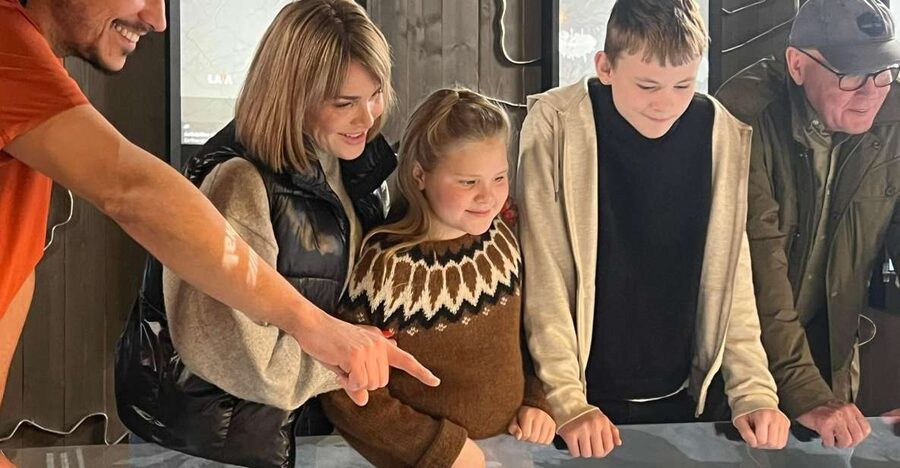
Volcanoes can feel like a far-off disaster. At the LAVA Centre in Iceland’s South, they turn into something you can understand, step by step. You walk through the geology of Iceland with interactive exhibits, then watch eruption footage in the cinema and look out from the observation platform.
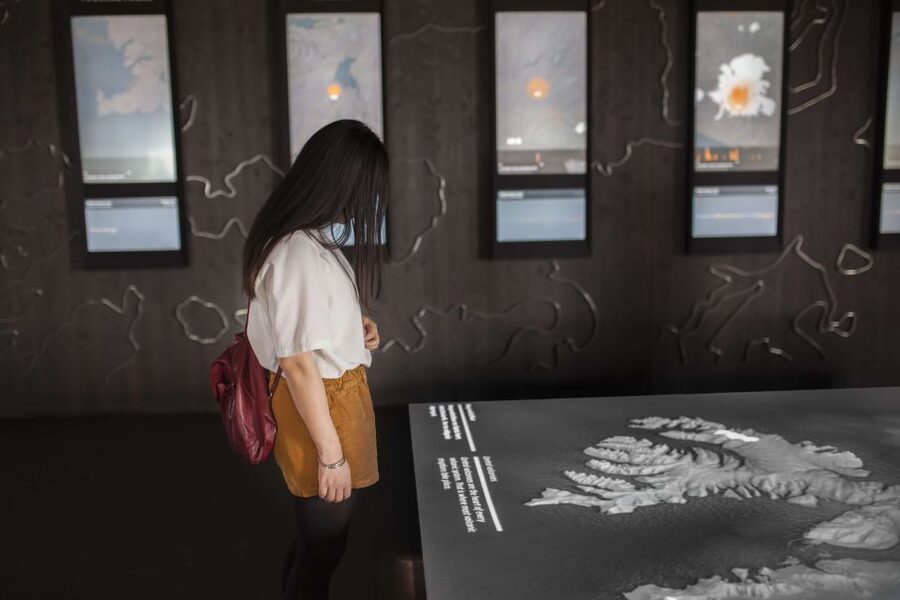
I especially like how interactive the learning feels. Instead of just reading panels, you move through sections such as Trembling Earth and the Magma Learning Center, where concepts like tectonic plates, magma, and tephra become visual and physical. Another big plus is the mix of indoor and out-the-window learning, with an observation deck set up for volcano viewing.
One thing to plan for: this is a mostly museum-style experience, not a long hike or a full day of driving viewpoints. If you want hours of outdoor roaming, you may finish sooner than you expect.
In This Review
- Key things to know before you go
- Why the Lava Centre feels worth your day in South Iceland
- Getting oriented inside the LAVA Centre
- Trembling Earth: live earthquakes and the shaking simulator
- The Fiery Heart of Iceland display: where magma starts and how it rises
- Magma Learning Center: volcanic structures, tephra, and why Iceland looks the way it does
- Cinema and the latest eruption footage from Grindavík and the Blue Lagoon
- Local Volcano views and the observation deck: making the science match the sightline
- How long should you plan, and what pace fits?
- Price and value: what $42 buys you in Iceland terms
- Who this volcano exhibition fits best
- Should you book Volcano Exhibition and Cinema at Lava Centre?
- FAQ
- What is included in the LAVA Centre entrance?
- How long does the Volcano Exhibition and Cinema last?
- Can I access the exhibition if I use a wheelchair?
- Is food and drinks included?
- What languages are available for the host or greeter?
- Is there an earthquake simulator?
- What can I learn about volcanic activity here?
Key things to know before you go
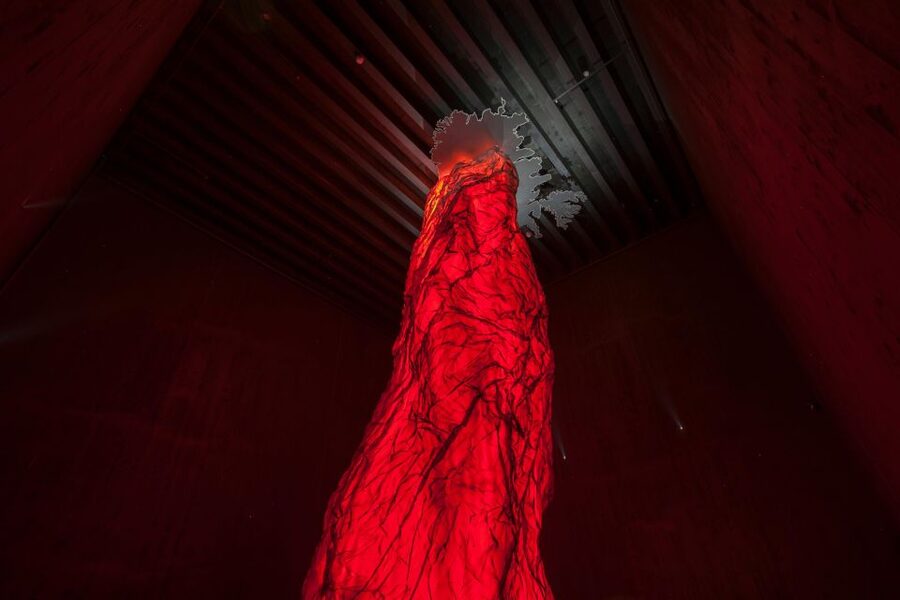
- Live earthquake map plus a simulator experience in the Trembling Earth area
- Fiery Heart of Iceland explained through magma up-flow, plate boundaries, and a hotspot beneath Iceland
- Hands-on interpretation of volcanic materials, including magma, lava, and tephra
- Cinema on current eruptions, paired with an observation deck for a real-world sense of scale
- Panoramic views from the viewing areas, including four large active but dormant volcanoes and volcanic islands
- Family-friendly extras like ear muffs, flashlights, and support teddy bears for younger visitors
Why the Lava Centre feels worth your day in South Iceland
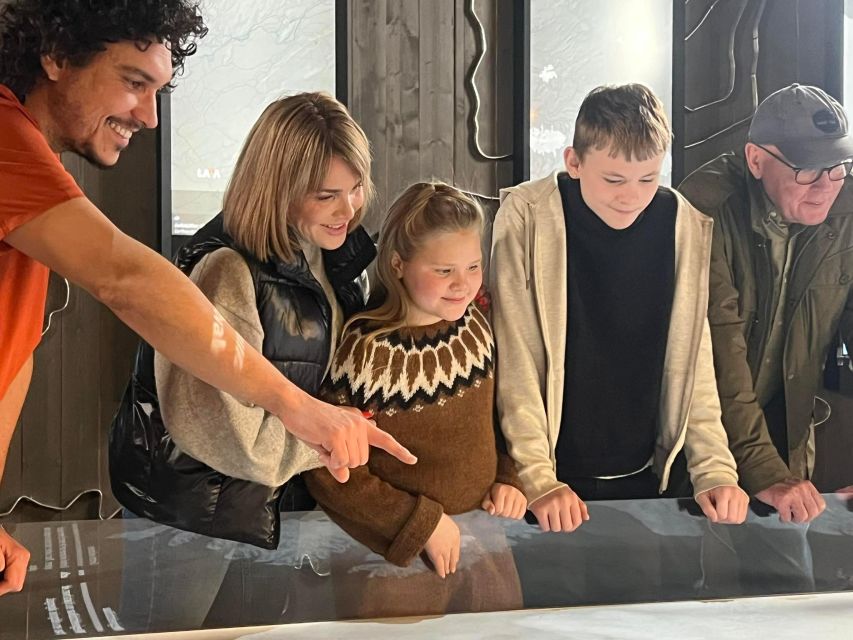
If your Iceland trip has limited time, this is a strong way to make geology feel real. You do not need special training or tech skills. You just show up, follow the exhibit flow, and you leave with a clearer mental model of why Iceland is so volcanically active.
The value is in the pacing and the variety. You get explanations that connect directly to what you see outside, and you get that connection quickly. Eyjafjallajökull, Katla, and Hekla are part of the story here, not just names on a map. And then the exhibits push further into the mechanics behind the drama, like diverging tectonic plate movements and magma rising from beneath.
You also get something that many museums skip: a strong sense of how scientists describe volcanic processes. Terms matter here. You learn why magma becomes lava during eruptions and why tephra ends up scattered across broad areas.
More Volcano & Lava Tours in Iceland:
- Reykjavik: LAVA SHOW – Immersive Experience Entry Ticket
★ 4.8 · 3,360 reviews - Lava Show Reykjavik Admission Ticket – Optional Premium Upgrade
★ 5.0 · 3,278 reviews - Golden Circle with Kerid Volcanic Crater Day Tour from Reykjavik
★ 4.5 · 2,826 reviews
Getting oriented inside the LAVA Centre
Walking in, you immediately switch from “volcano tourism” mode to “volcano systems” mode. The exhibits are built around the idea that Iceland is not one volcano. It is a whole active region with many volcanic systems, different types of volcanoes, and rapidly changing landforms.
You’ll start sorting concepts early, which helps later sections make more sense. Expect interactive stations and video content, not just static text. If you learn best by seeing cause and effect, this place fits your style.
Practical note: the centre provides ear muffs and flashlights, and even support teddy bears for the youngest visitors. That tells you something about the experience design: it is made to be comfortable while still letting you handle the intense topics. Wheelchair access is also built in, so you can plan on an easier route through the spaces.
Trembling Earth: live earthquakes and the shaking simulator
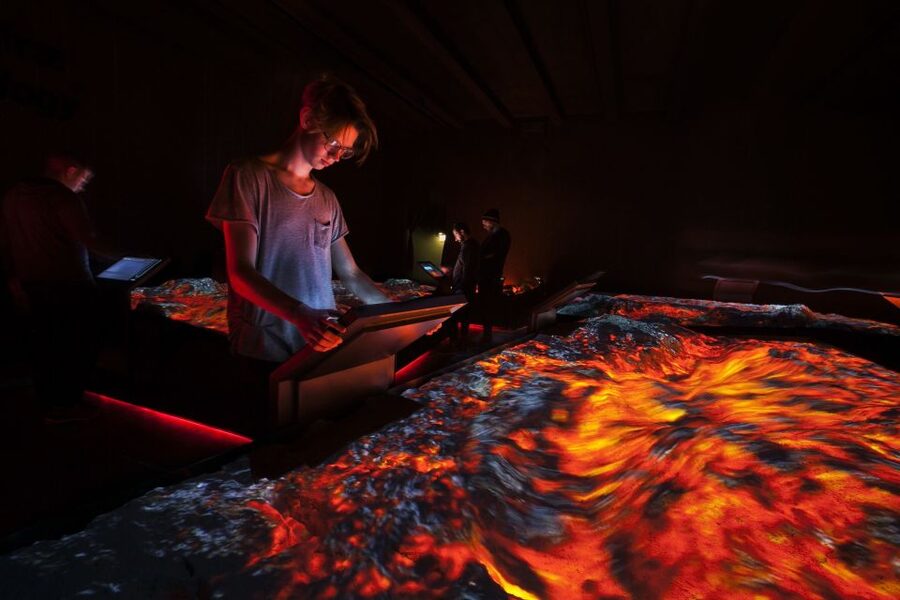
This is one of the most engaging parts if you like science that feels immediate. The Trembling Earth section focuses on earthquakes, not just eruptions. The big idea is simple and powerful: diverging tectonic plate movements create conditions where magma rises, and that rising contributes to frequent seismic activity.
You get live earthquakes displayed on a map. That matters because it turns Iceland’s activity into something you can track in real time during your visit. It also helps you understand that the same geological forces can show up in different ways: shaking now, volcanic activity later.
Then there’s the simulator. It is designed to bring the drama of an earthquake into your body. You should think of it as a controlled, educational experience, not a thrill ride. If you are sensitive to intense sensory input, take it at a slower pace and decide before you step into the simulator area.
The payoff is the way the concept sticks. You leave with a clearer link between plate motion, magma movement, and the earthquakes Iceland is known for.
The Fiery Heart of Iceland display: where magma starts and how it rises
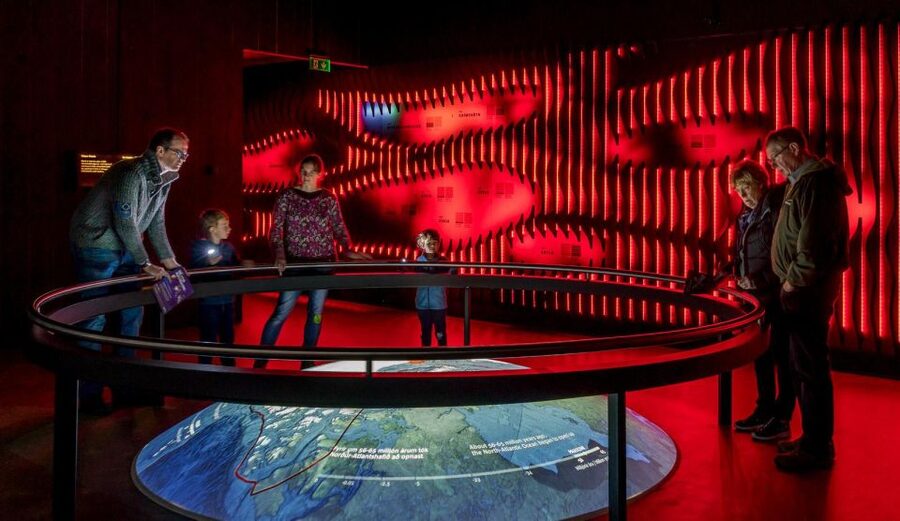
After Trembling Earth, the Fiery Heart of Iceland display gives you the “so how does the system work” piece. The exhibit explains how magma normally up-flows at diverging plate boundaries. Then it connects that flow to a mantle plume, often described as a hotspot, beneath Iceland, with attention to where that hotspot is pinpointed in the central highlands.
This is where a lot of people’s questions start to make sense. Why Iceland? Why so many active areas? Why eruptions and earthquakes happen in the same broader system?
You also get careful terminology. When gaseous molten rock is still underground, it is called magma. When it is expelled during eruption, it becomes lava. The exhibit also brings in tephra, the airborne material that can travel and settle over wide areas.
If you have only ever heard “volcano equals lava,” this section helps you upgrade your mental vocabulary. Iceland’s geology is not just dramatic. It is structured, with definitions that match how volcanic events behave.
More Museum Visits in Iceland:
- Reykjavík: Hop-On Hop-Off Bus and Perlan Museum Entry Ticket
★ 4.3 · 719 reviews - Reykjavik: Whales of Iceland Museum Entrance Ticket
★ 4.4 · 493 reviews - Reykjavík: National Museum of Iceland Entry Ticket
★ 4.4 · 432 reviews - Aurora Reykjavík, The Northern Lights Center Museum Visit
★ 4.5 · 327 reviews
Magma Learning Center: volcanic structures, tephra, and why Iceland looks the way it does
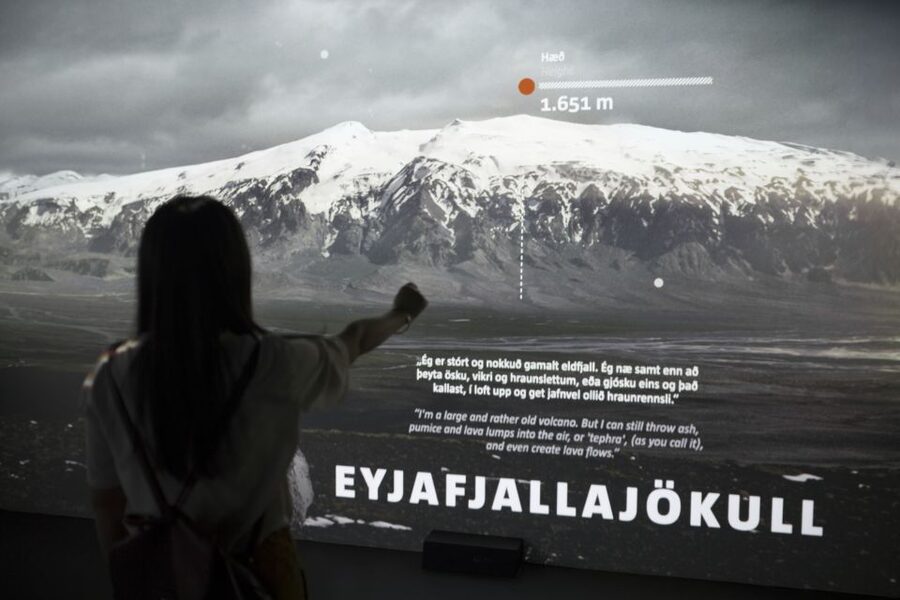
The Magma Learning Center is where the centre goes from story to systems. Here you explore volcanic structures and learn how different volcanic processes shape what you see around Iceland.
One of the biggest helpful points is scale. Iceland has 30 volcanic systems, and those systems include many types of volcanoes. The exhibit connects that variety to nature and rapidly developing landscapes. In other words, you are not looking at a single “volcano country.” You are looking at many overlapping engines.
The tephra lesson is also worth your time. Tephra forms when magma encounters water or ice, or when gaseous magma is very viscous. The exhibit explains that the magma can splinter into pieces of different sizes, then spread over large areas.
That idea can help you understand things you might notice later on your trip, like why Iceland has dramatic volcanic deposits, unusual rock types, and that signature look across different regions. The centre even touches why Iceland has black sands, geysers, and colorful mountains, connecting volcanic activity to the wider natural outcomes.
If you want one section to make you feel like you actually learned something solid, this is it.
Cinema and the latest eruption footage from Grindavík and the Blue Lagoon
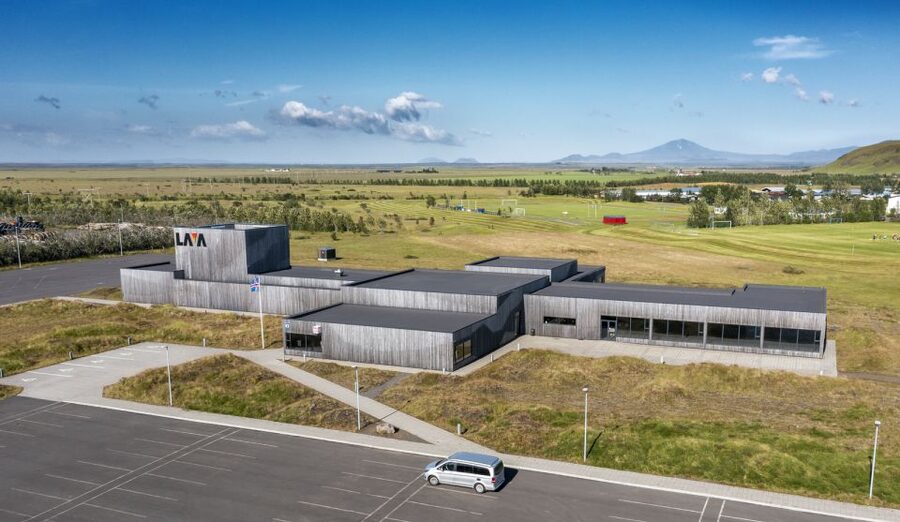
Between the interactive parts, the cinema gives you a different learning tool: video. The centre shows the latest eruption activity from the Grindavík area and references the Blue Lagoon region in the context of recent volcanic activity.
Why this is useful: video helps you understand timing and sequence. Eruption processes can be hard to interpret when you only see still photos or a single viewpoint. The cinema ties the moving timeline together while the exhibits provide the science language to interpret what you’re seeing.
This section also gives you a chance to reset. Even if you love geology, the interactive areas can be mentally busy. A film breaks that up without stepping away from the core theme.
Local Volcano views and the observation deck: making the science match the sightline
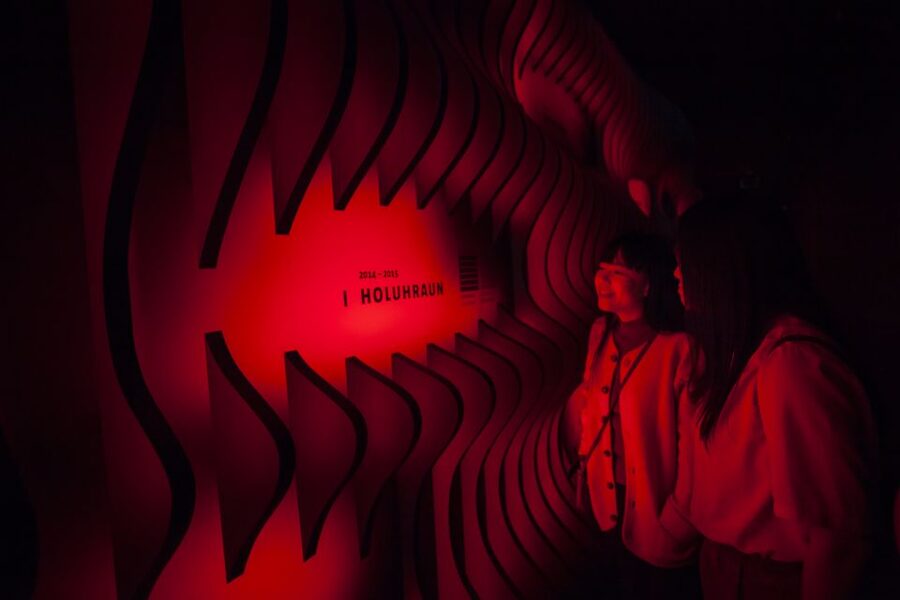
Once you’ve built up the concepts, the viewing areas help you connect the dots. The Local Volcano section gives a panoramic view of four large active but dormant volcanoes and a group of volcanic islands. The centre also offers views from the viewing deck, reinforcing the link between exhibits and what the region actually looks like.
This part works especially well if you came with curiosity but some confusion. After learning about magma rise, earthquakes, eruption materials, and volcanic systems, the act of looking outward feels different. You are not just sightseeing. You are checking your new mental model against real geography.
Even if you do not spot everything perfectly from one angle, the deck still helps you get orientation. Iceland’s volcanic features are not random. They line up with the broader tectonic and hotspot story you just learned inside.
How long should you plan, and what pace fits?
You have a 1-day experience. In practice, you will likely want about an hour to get through at a comfortable pace, and longer if you stop often at the interactive stations and watch the cinema carefully.
I recommend a simple strategy:
- Start with Trembling Earth first, then the Fiery Heart of Iceland, so earthquakes and magma explanations stay linked.
- Do the Magma Learning Center before you go to the Local Volcano views, so tephra and volcanic structures make sense when you look outward.
- Save time for the observation deck, since it gives the last emotional hit: the “oh, that’s what the science is talking about” moment.
The best time to slow down is at the parts where terminology is introduced. When the centre explains magma, lava, and tephra, it is doing more than defining words. It is giving you a framework to interpret Iceland’s volcanic outputs.
Price and value: what $42 buys you in Iceland terms
At about $42 per person, this sits in the “worth it if you want clarity” category. You are paying for an exhibition that covers both education and updated visuals, including the cinema footage and the live earthquake mapping.
Here is what makes the cost feel reasonable:
- You get multiple interactive zones, not a single lecture-style room.
- You get live earthquake content, which is harder to replicate elsewhere.
- You get an observation deck tied directly to the learning story.
- You receive practical comfort items like ear muffs and flashlights, which improves how easily you can enjoy all sections.
The main cost you need to think about is what is not included: food and drinks. Plan to eat separately before or after your visit. If you are combining this with other South Iceland stops, treat it like a “structured learning hour” you can plug into your day.
If you are traveling with kids, the support items add extra value. If you are traveling solo or as a couple, the live elements and the simulator are the main reasons the price feels like a good deal.
Who this volcano exhibition fits best
This works well for:
- Travelers who want science with real-world context, not just facts on a wall
- People doing a South Iceland route who need a strong “one stop” experience
- Families, since it provides comfort extras and keeps you moving through stations
- Anyone who wants a clearer grasp of why Iceland has so many volcanoes, earthquakes, black sands, geysers, and distinctive geology
It might be less ideal if:
- You are primarily looking for long outdoor hikes, remote viewpoints, or full-day travel by bus or car
- You dislike simulators or intense sensory experiences related to earthquake motion
Should you book Volcano Exhibition and Cinema at Lava Centre?
Yes, if you want a high-impact geology stop that you can complete in a single day without exhausting driving. This is one of the better ways to turn Iceland’s volcanic headlines into something understandable, from tectonic plates to magma up-flow to tephra.
I’d book it if your schedule is tight and you want both education and views, plus the option to see live earthquakes during your visit. If your idea of Iceland is mostly outside time and walking trails, then pair this with outdoor stops rather than making it the whole plan.
If you want one day that teaches you how Iceland works, while still letting you look outward at the volcanic world you came to see, this is a solid choice.
FAQ
What is included in the LAVA Centre entrance?
The entrance fee includes access to the exhibition, cinema, and observation deck. It also includes ear muffs, flashlights, and support teddy bears for younger visitors, plus wheelchair access support.
How long does the Volcano Exhibition and Cinema last?
It is listed as a 1 day experience. You can use your time based on starting times and your pace through the different sections.
Can I access the exhibition if I use a wheelchair?
Yes. The experience is wheelchair accessible.
Is food and drinks included?
No. Food and drinks are not included.
What languages are available for the host or greeter?
The host or greeter provides English and Icelandic.
Is there an earthquake simulator?
Yes. There is a section where you experience a simulated earthquake.
What can I learn about volcanic activity here?
You can learn about Iceland’s most active volcanoes, volcanic structures, why Iceland has features like black sands and geysers, the difference between magma, lava, and tephra, and you can see live earthquakes on a map. You also see cinema footage connected to recent eruption activity near Grindavík and the Blue Lagoon region.
Recently added around Iceland
- Reykjavik: Whale & Marine Adventure Tour★ 4.3 · 71 reviews
- Reykjavik: Whale Watching & Lava Show★ 5.0 · 4 reviews
- West Glacial River Family Rafting★ 5.0 · 9 reviews
- Reykjavík: Horse Riding Tours★ 4.9 · 127 reviews
- Volcano Movie – Experience the Latest Eruptions in Iceland★ 3.6 · 3 reviews
- Vestmannaeyjar: Puffin, Island, and Volcano Boat Tour★ 4.4 · 7 reviews
- From Reykjavík: Viking Horseback Tour in Hafnarfjörður★ 4.9 · 112 reviews
- Vestmannaeyjar: Heimaey Island Round Boat Tour★ 4.8 · 27 reviews
Volcano & Lava Tours, compared.
LAVA SHOW – Immersive Experience Entry Ticket
Read our review →
Lava Show Reykjavik Admission Ticket – Optional Premium Upgrade
Read our review →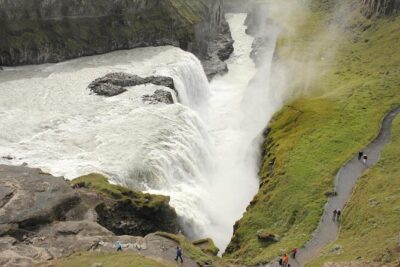
Golden Circle with Kerid Volcanic Crater Day Tour from Reykjavik
Read our review →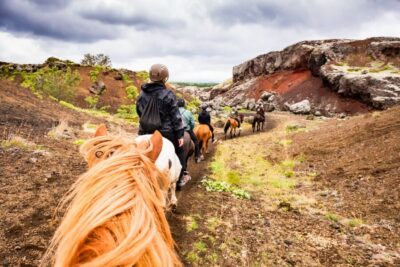
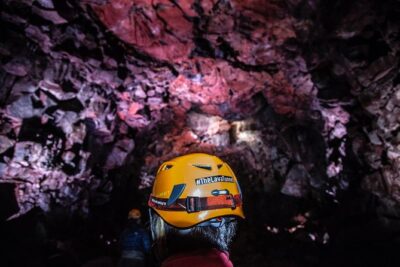
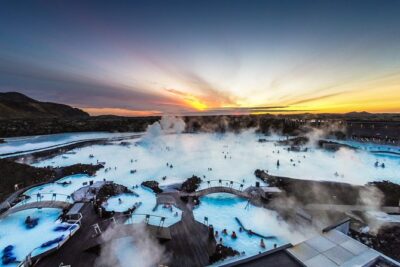
Golden Circle, Volcano Crater and Blue Lagoon Small-Group Tour
Read our review →
Raufarhólshellir Lava Tunnel: Underground Expedition
Read our review →
Browse the lists this tour appears in