
Review · ICELAND · MUSEUMS
Reykjavík: National Museum of Iceland Entry Ticket
Iceland’s story starts with a ship. A ticket to the National Museum of Iceland in Reykjavik lets you track how Icelanders went from early settlement life to modern country life, with standout objects like the Thor figure dated around 1000.
I really like that the museum lines up history as a time route, not random rooms, with access to the full permanent exhibition plus temporary shows. One thing to keep in mind: the exhibit flow can feel spread out, and if you want deep descriptions of every single item, you may feel it does not slow down enough for each piece.
In This Review
- Key things to know
- Ticket value and the easiest way to plan your museum time
- The permanent exhibition: What makes a nation, from ship to airport
- Viking era highlights, including the Thor figure dated from 1000
- Faith, print, and medieval church artifacts you can actually interpret
- How the audio guide helps you follow the timeline (and when it might not)
- Temporary exhibitions and the kind of culture they usually spotlight
- Museum shop replicas: what to buy if you want real keepsakes
- Pairing ideas in Reykjavik: when the museum makes you want more
- Who this ticket suits best, and who should adjust expectations
- Should you book this National Museum of Iceland ticket?
- FAQ
- Where do I show my ticket?
- How much does the ticket cost?
- How long is the ticket valid?
- What’s included with the entry ticket?
- Which languages are available for the audio guide?
- Can I visit temporary exhibitions too?
- Is the museum wheelchair accessible?
- Is luggage allowed inside?
Key things to know
- What makes a nation? The permanent exhibition is built around a single guiding question.
- Thor around the year 1000 is a headline artifact you can actually anchor the visit around.
- About 2,000 artifacts cover the Settlement Age through the present.
- Audio guide in 10 languages helps you keep pace at your own speed.
- Skip the ticket line and show up at the reception desk to enter smoothly.
- Museum shop replicas give you a way to take home faithful copies of archaeological finds.
Ticket value and the easiest way to plan your museum time
This is one of those Reykjavik tickets that works well whether you have a jam-packed schedule or a slow, rainy-day plan. The price is about $20 per person, and what makes it feel fair is what you get along with entry: a 10-language audio guide, WiFi, and access to temporary exhibitions on top of the permanent displays.
Timing is flexible too. Your ticket is valid for 365 days, so you can book now, then pick the day when weather, jet lag, or energy levels cooperate. If you’re visiting in peak season, the “skip the ticket line” perk is practical. Museums can move people fast, but ticket queues can chew up time.
One logistics note to plan around: no luggage or large bags are allowed. That means you should travel light into this stop. If your day includes bus tours, shopping, or big daypacks, build time to stash bags before you go in.
More Museum Visits in Reykjavik
- Reykjavík: Hop-On Hop-Off Bus and Perlan Museum Entry Ticket
★ 4.3 · 719 reviews - Reykjavik: Whales of Iceland Museum Entrance Ticket
★ 4.4 · 493 reviews - Aurora Reykjavík, The Northern Lights Center Museum Visit
★ 4.5 · 327 reviews
The permanent exhibition: What makes a nation, from ship to airport
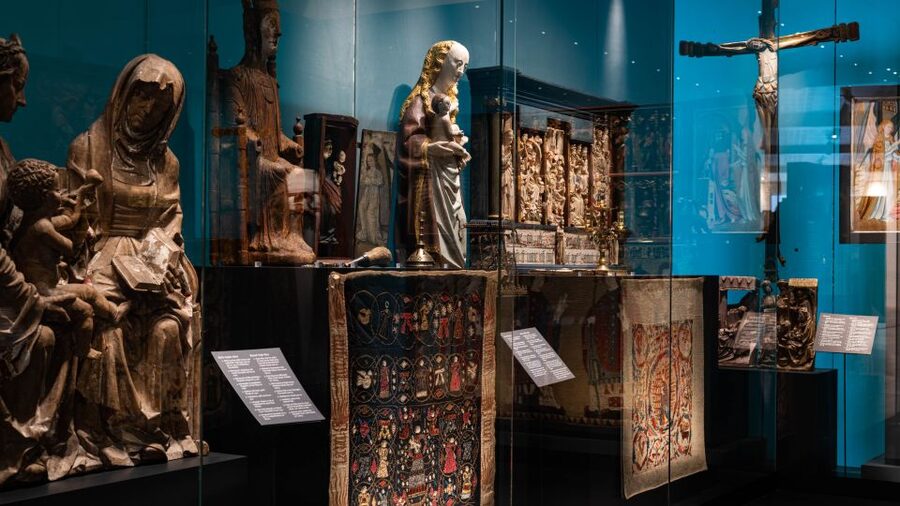
The permanent exhibition is designed like a chronological journey with a theme you can remember: What makes a nation? It starts with the ship that carries medieval settlers across the ocean to a new home and ends with a modern airport, presented as Iceland’s gateway to the world. That simple story frame does more than look good on paper. It helps you connect personal life, politics, religion, and identity over time.
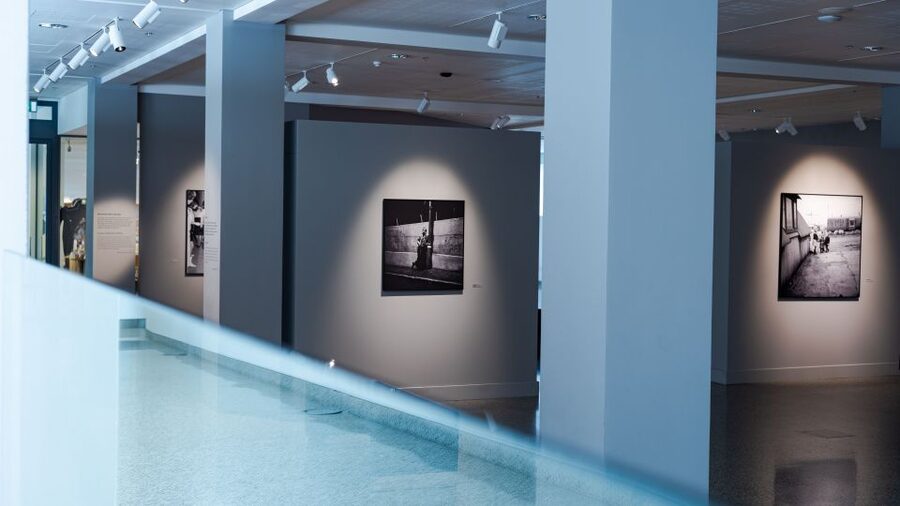
Expect the museum to feel like a sequence. The first parts focus on settlement and early Icelandic life. Then it moves toward major cultural shifts you can spot in the objects themselves, including the changing relationship between older belief systems and newer religious practice. Later, it brings in photography from the 20th century to show what daily life and national identity look like when you get closer to the present.
For me, the strongest value here is that you are not only looking at “Viking things.” You are seeing how Iceland built continuity, then transformed, and then kept reinventing itself. It is a story about isolation, survival, and connections to the outside world, all told through artifacts.
Viking era highlights, including the Thor figure dated from 1000

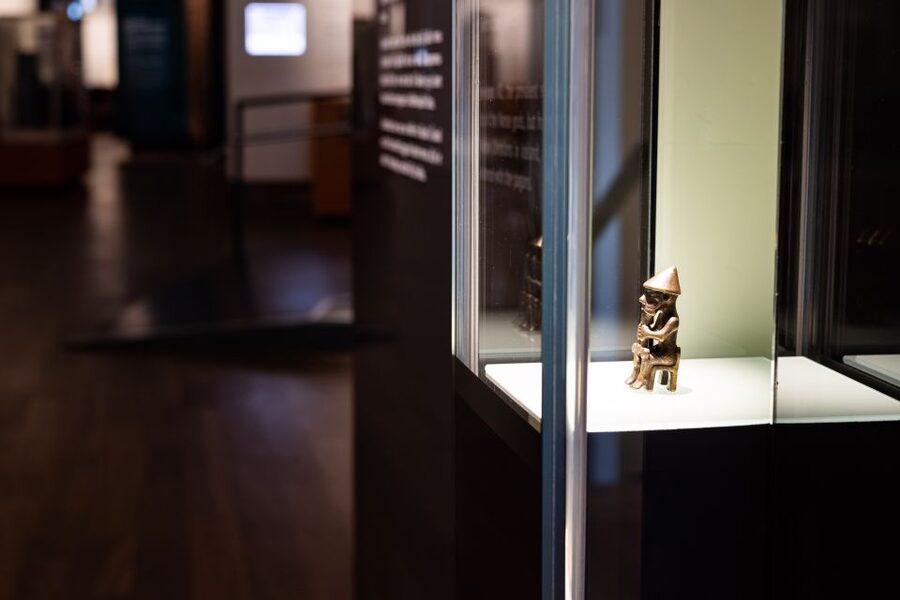
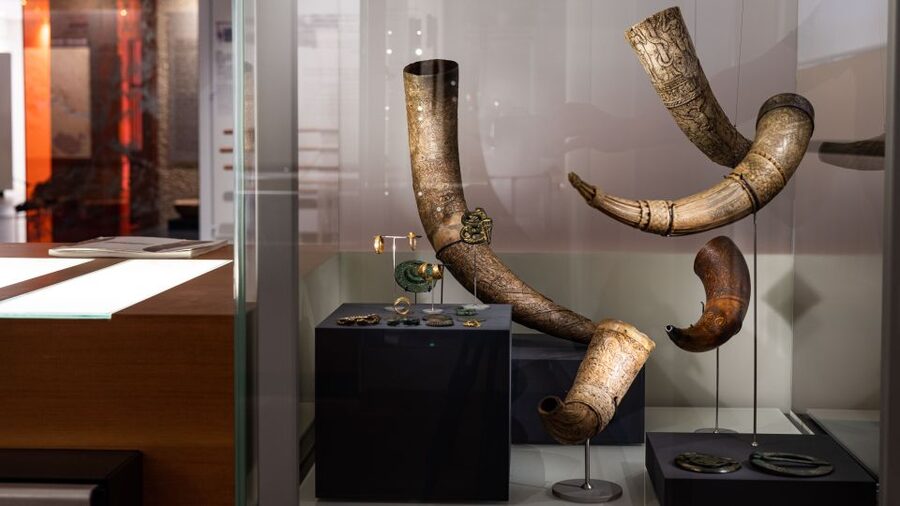
If you are even mildly curious about the Viking age, this museum gives you clear anchors. One is the famous Thor figure, dated around the year 1000. That single object is powerful because it gives you a specific moment in time. Instead of talking about mythology in general terms, the museum points to evidence, date, and material culture you can look at directly.
You also get a wider view of the Viking era through the collection, because the museum holds a lot more than one “star” artifact. With about 2,000 artifacts overall spanning from the Settlement Age to the present, the Viking section is more like a starting point than a dead end. You can walk through early life, then watch how the next centuries change what people valued and how they expressed beliefs.
Quick practical tip: start early in the route and pick one or two “must see” items, like Thor, then let everything else connect around those. That approach helps when the museum layout feels a bit spread out, because you’ll still have a mental map.
Faith, print, and medieval church artifacts you can actually interpret
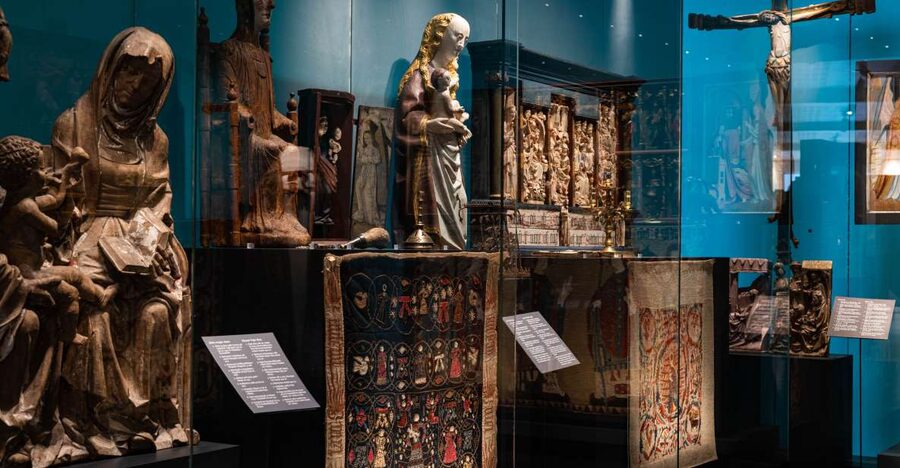
This stop gets extra interesting when you hit the parts that show Iceland’s religious and cultural turn. One headline item is the first Bible printed in Iceland in the 16th century, which is still considered one of the most beautiful prints in Iceland. Even if you are not a Bible-history person, the fact that printing, language, and art are tied together is worth your attention.
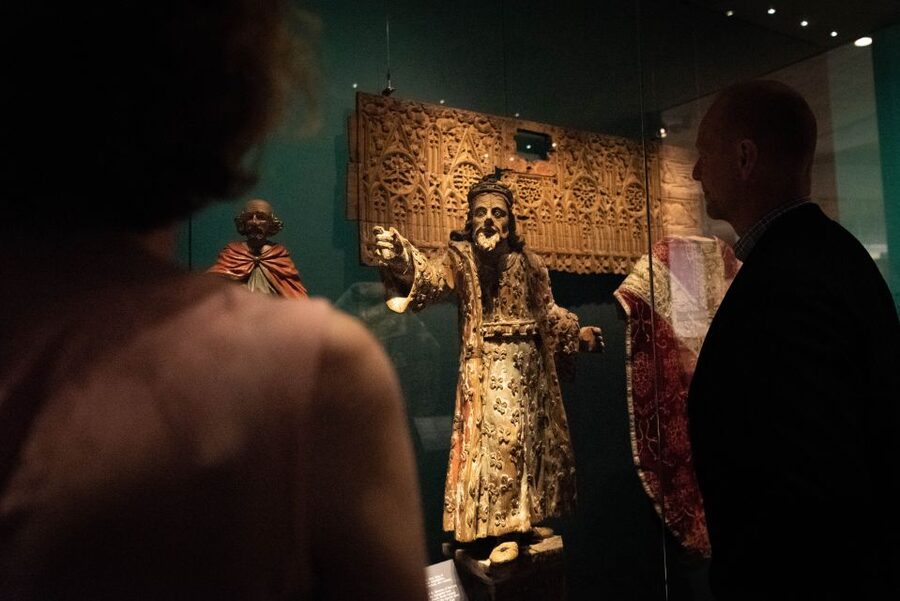
The museum also includes artifacts connected to medieval churches. These are not just religious objects in theory. They represent how people organized community life and how art and craft traveled into Icelandic culture. If you like seeing how everyday life and belief systems overlap, this is where the museum does that best: it connects a big idea to tangible items you can look at calmly.
If you tend to want more detail on each object, you might find yourself wishing some labels slowed down. One of the considerations people raise is that there can be times when the museum feels less “deep” on individual pieces. My advice is to adjust your expectations. Think of this museum as an informed overview you can feel in your bones, then use other Iceland museum stops if you want to go heavy on any single era.
A different sort of day out in Iceland:
- Reykjavik: Golden Circle Full-Day Tour with Kerid Crater
★ 4.8 · 24,485 reviews - Reykjavik Food Walk – Local Foodie Adventure in Iceland
★ 5.0 · 18,952 reviews - From Reykjavik: Northern Lights Bus Tour with Hot Cocoa
★ 4.3 · 13,947 reviews - Reykjavík: South Coast Waterfalls, Black Sand & Glacier Tour
★ 4.8 · 11,030 reviews
How the audio guide helps you follow the timeline (and when it might not)
The ticket includes an audio guide in 10 languages: English, Danish, French, Polish, Spanish, Dutch, Swedish, Icelandic, Italian, and Chinese. That’s a big deal for a museum built like a timeline, because it lets you keep moving without constant stopping to read every label. You can also use it to understand why an object matters, not only what it looks like.
That said, pace matters. Some visitors say the exhibit layout can feel spread out and not clearly sequential. If you notice that in your own visit, the audio guide can still help, but you’ll want to use signage and your own “landmark” objects. I like splitting the visit into chunks. For example: settlement and early life as one chunk, Viking-era highlights as the second, and then the religious and medieval shifts as the third.
In real life, this museum visit often lands around 1.5 hours for people who want a complete pass without lingering over every label. If you like reading every description, plan more time. If you are short on time, do not try to absorb everything. Choose your anchors, then let the rest give you context.
Temporary exhibitions and the kind of culture they usually spotlight
Your ticket gives you access to temporary exhibitions along with the permanent collection. Temporary shows vary, but they often reflect Icelandic culture in a way that complements the main timeline. That is useful because it gives you a chance to see how the museum’s theme connects to more modern interpretations, current research, or fresh ways of presenting familiar ideas.
A smart strategy: go through the permanent exhibition first for the story structure, then use the temporary space to add flavor. You might leave the museum with a few new questions, and that’s exactly what you want for a destination that encourages curiosity.
Museum shop replicas: what to buy if you want real keepsakes
One of the small but enjoyable perks is the museum shop, which offers exclusive replicas of archaeological finds. If you enjoy collecting travel souvenirs that feel tied to place, these replicas are a meaningful option. They let you bring home something that matches what you saw inside, without turning your suitcase into a fragile museum storage unit.
What I look for in a museum shop is craftsmanship plus clarity. Replicas tied to archaeological finds usually meet both. If you love the Thor moment, it is the kind of item you might want to remember with a purchase that echoes the original story.
Pairing ideas in Reykjavik: when the museum makes you want more
This museum can do two things at once: it gives you an overview, and it gives you cravings for specifics. If you find yourself thinking Vikings are your favorite thread, pairing this visit with a dedicated Settlement-focused museum stop can deepen what you just learned about early life and migration.
If your interest shifts toward more recent Icelandic history and political tensions, a stop like the Maritime Museum can add strong context. One standout theme to explore alongside modern Iceland is the cod-related history that appears in Maritime collections. The key is simple: use this museum as your timeline spine, then choose your specialty museum based on what part you could not stop thinking about afterward.
Who this ticket suits best, and who should adjust expectations
I think this ticket is best for adults, teens, and curious families who like history through objects. It also works well as a rainy-day plan, because indoor time lets you keep moving even when the weather pushes you to slow down.
For smaller children, it can be a mixed fit. The museum is fantastic, but it may feel more information heavy than story heavy. If you go with kids, I’d plan shorter stops inside and keep your expectations focused on interaction and discovery rather than a long reading marathon.
If you are the kind of visitor who loves the idea of “Iceland made itself from here to there,” you will likely have a great time. If you only want one era and want extremely deep label-by-label analysis, you might still enjoy it, but you’ll probably want to pair it with a more specialized museum next.
Should you book this National Museum of Iceland ticket?
Yes, if you want a clear, museum-shaped overview of Iceland’s identity from early settlement onward. The Thor around 1000 highlight, the sheer scale of about 2,000 artifacts, and the practical bonus of an audio guide in 10 languages make it a strong value at $20.
Skip it only if you’re short on time and you already know you want just one narrow topic, like Vikings only or modern Iceland only, and you’d rather spend that time at a more specialized stop. Otherwise, this is one of the best ways to get oriented fast, then build the rest of your Reykjavik days with better choices.
FAQ
Where do I show my ticket?
Show your ticket at the reception desk at the National Museum of Iceland to enter.
How much does the ticket cost?
The ticket price is listed at about $20 per person.
How long is the ticket valid?
Your ticket is valid for 365 days.
What’s included with the entry ticket?
Entry includes access to the museum, an audio guide in 10 languages, and WiFi.
Which languages are available for the audio guide?
The audio guide languages include English, Danish, French, Polish, Spanish, Dutch, Swedish, Icelandic, Italian, and Chinese.
Can I visit temporary exhibitions too?
Yes. Your ticket grants access to the temporary exhibitions along with the permanent exhibition.
Is the museum wheelchair accessible?
Yes, the museum is wheelchair accessible.
Is luggage allowed inside?
No. Luggage or large bags are not allowed.
Recently added around Reykjavik
- Reykjavik: Whale Watching & Lava Show★ 5.0 · 4 reviews
- Reykjavik: Whale & Marine Adventure Tour★ 4.3 · 71 reviews
- Reykjavík: Horse Riding Tours★ 4.9 · 127 reviews
- From Reykjavík: Viking Horseback Tour in Hafnarfjörður★ 4.9 · 112 reviews
- Winter South Coast Day Tour by Minibus from Reykjavik★ 5.0 · 109 reviews
- Luxury Private Transfer from Reykjavik to Keflavik Airport★ 5.0 · 9 reviews
- Day Trip to Snæfellsness Peninsula from Reykjavik★ 5.0 · 7 reviews
- Whales Of Iceland Admission Ticket★ 4.0 · 239 reviews
Museums, compared.
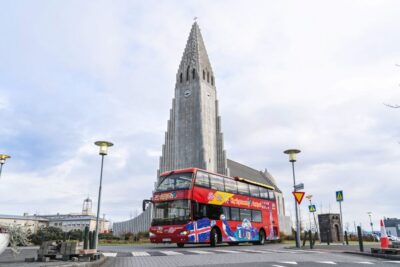
Hop-On Hop-Off Bus and Perlan Museum Entry Ticket
Read our review →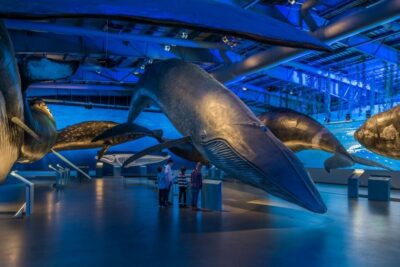
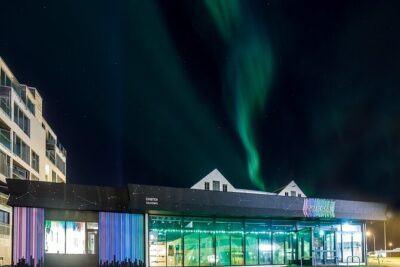
Aurora Reykjavík, The Northern Lights Center Museum Visit
Read our review →
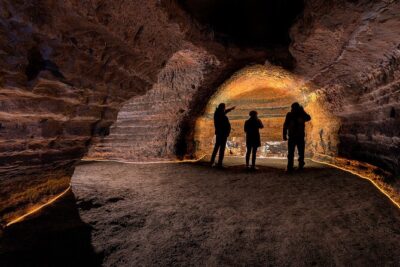
Ancient Historical Site Tour at the Caves of Hella
Read our review →

Whale Watching Tour, Whales of Iceland Exhibition
Read our review →
Browse the lists this tour appears in