
Review · ICELAND · FARMS
The Old Turf Farm at Keldur: Want to Travel Back in Time?
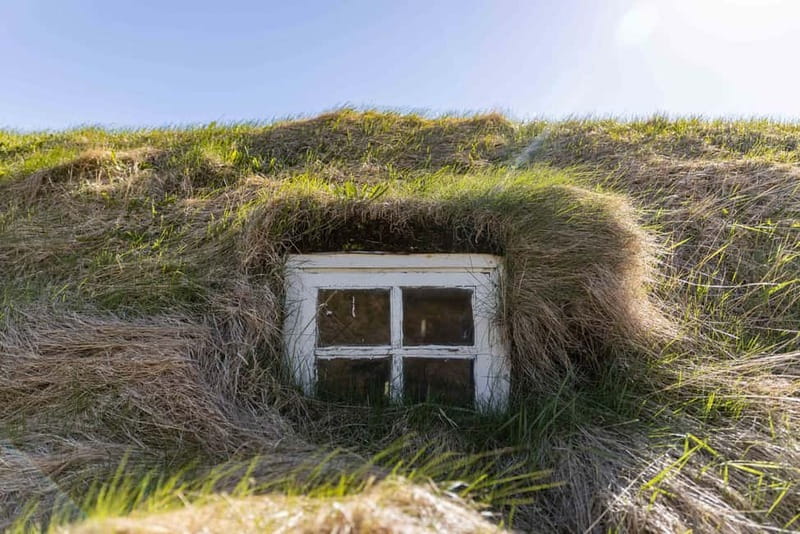
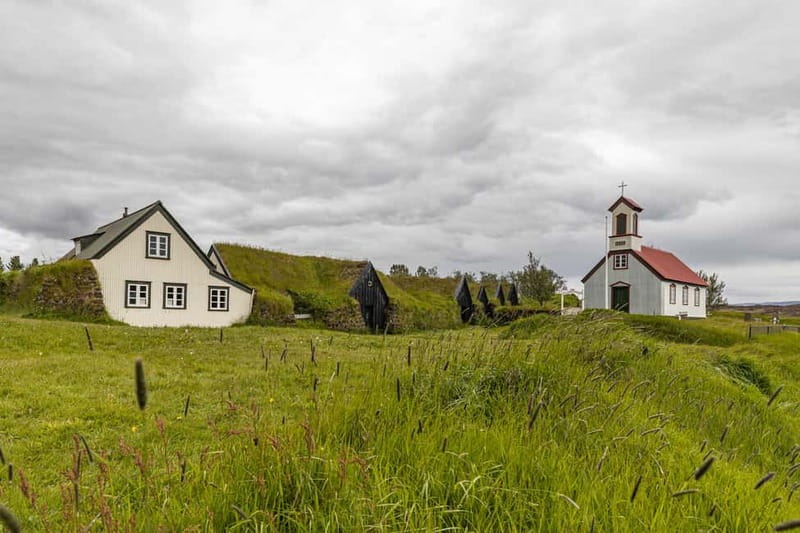
Turf walls make history feel real. At the Old Turf Farm at Keldur, you step into an old Icelandic working farm owned by the National Museum of Iceland, where turf houses and preserved outbuildings show how most people lived for centuries. I like the way the site reads like a real home, not a staged set, and I’m especially drawn to the underground tunnel connection the guide points out.
The one catch is time. The visit runs about 50 minutes, so if you like to linger and wander on your own, you may feel slightly squeezed.
In This Review
- Key Highlights to Look For
- Old Turf Farm at Keldur: Why a 50-Minute Trip Feels Bigger
- Turf Houses in South Iceland: What You’re Actually Seeing
- From the Hut to the Underground Tunnel: The Conflict-Era Clue
- Outhouses and Yard Life: Why the Preserved Extras Matter
- How the Guided Tour Works at 11:00 or 15:00
- Getting There by Car: The Practical Part People Forget
- Price and Value: Is $18 Worth It?
- Who Should Book Keldur (and Who Might Skip It)
- FAQ
- FAQ
- How long is the Old Turf Farm at Keldur visit?
- What time do tours run at Keldur?
- What does the ticket cost?
- Where is Keldur, and how do I get there?
- What is included with the tour?
- What languages are the guided tours in?
- Is the site open year-round?
- Are luggage or large bags allowed?
- Do I need to buy tickets in advance?
- Should You Book the Old Turf Farm at Keldur?
Key Highlights to Look For
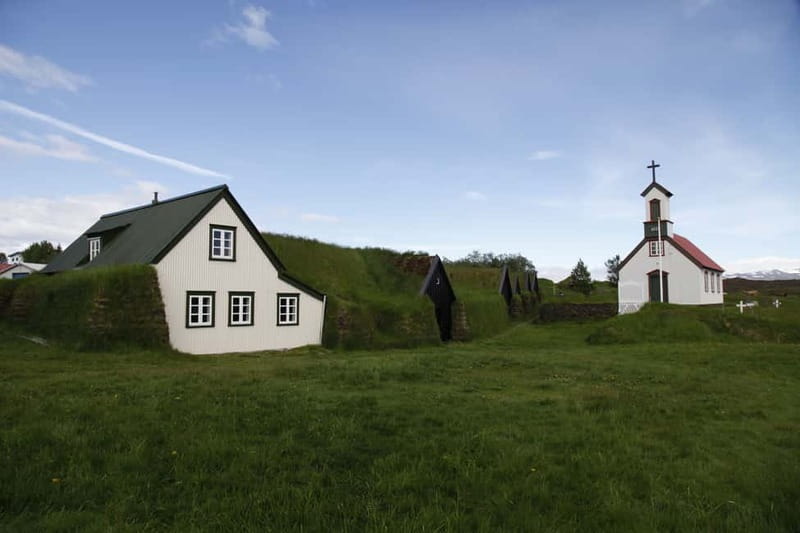
- A turf farm preserved at a large scale for South Iceland, not just a single reconstructed hut
- A story about an underground tunnel, thought to date from the 12th or 13th century
- Outhouses that are still there, so you get a fuller picture of daily farm life
- Live English or Icelandic guidance that keeps the explanations practical and clear
- Countryside views around the farm, so the experience isn’t trapped indoors
Old Turf Farm at Keldur: Why a 50-Minute Trip Feels Bigger
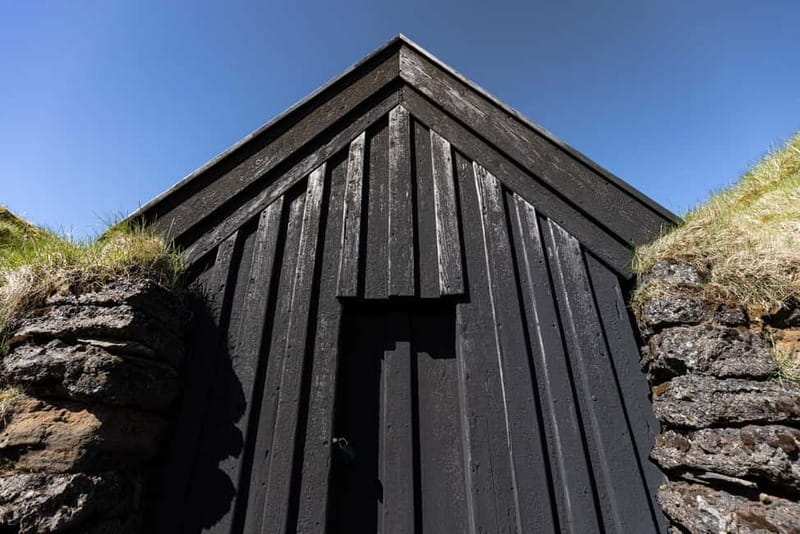
Some places teach history with artifacts. Keldur teaches it with shape and materials. You’re looking at turf architecture built into the ground, where walls, roofs, and outbuildings were practical answers to Iceland’s weather and isolation.
What I like most is that the experience feels grounded. This isn’t just about knowing facts. It’s about seeing how everyday housing worked for people who didn’t have modern heating, lighting, or built-in plumbing. When the guide starts explaining the buildings, the site clicks into place as a functioning farm setup.
You’re also in South Iceland, so the visit comes with fresh air and real-world countryside views. That matters because turf farms are about living with the land, not just staring at old walls.
A few more Vik trips worth comparing
- Isafjordur: Dynjandi Waterfall Tour and Icelandic Farm Visit
★ 4.7 · 1,245 reviews - Dynjandi Waterfall & Iceland Farm Visit Tour
★ 4.5 · 1,056 reviews - Golden Circle Tales, Tomato Farm & Kerid – Small Group from RVK
★ 5.0 · 854 reviews
Turf Houses in South Iceland: What You’re Actually Seeing
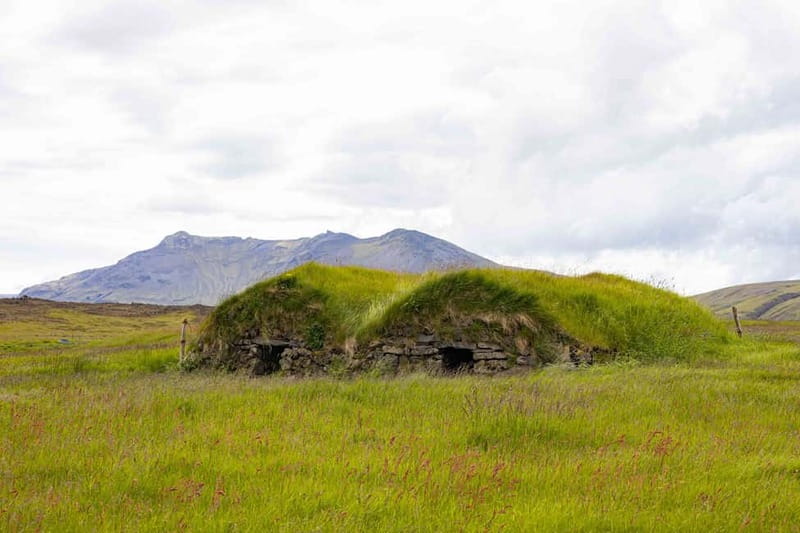
A turf house is basically a building system: timber or structure on the inside, turf layered to form the walls and roof, and earth that helps with insulation. At Keldur, the architecture is one of the best ways to understand how many Icelanders lived for centuries.
Here’s the takeaway I’d want you to walk away with. Turf wasn’t chosen for looks. It was chosen because it was available and useful. In a place like Iceland, using local materials and building methods that worked year after year made survival more realistic.
Keldur is described as one of the largest preserved turf farms in South Iceland. That size is a big deal for value. With a single hut, you might get the idea. With a larger preserved farm layout, you understand how a property functioned as a whole, not just as a single photo op.
From the Hut to the Underground Tunnel: The Conflict-Era Clue
One of the most interesting details at Keldur is the underground tunnel connected to the hut. It’s thought to date from the 12th or 13th century, and the idea is that it was built during a time of conflict.
Even if you don’t come in already thinking about medieval Iceland, this detail changes how you interpret the buildings. Suddenly it’s not only about comfort and insulation. It’s also about safety planning when life could get dangerous.
How to approach it on the tour: listen for how the guide explains the relationship between the hut and the tunnel. You’ll get the best understanding when you connect the idea of shelter to the reality of moving through a farm in hard times.
Also, notice the wording about the tunnel’s age. The site frames it as a thought or estimate, not an exact date. That’s a good thing. It keeps you grounded in what we actually know about old structures, rather than turning the story into certainty.
Outhouses and Yard Life: Why the Preserved Extras Matter
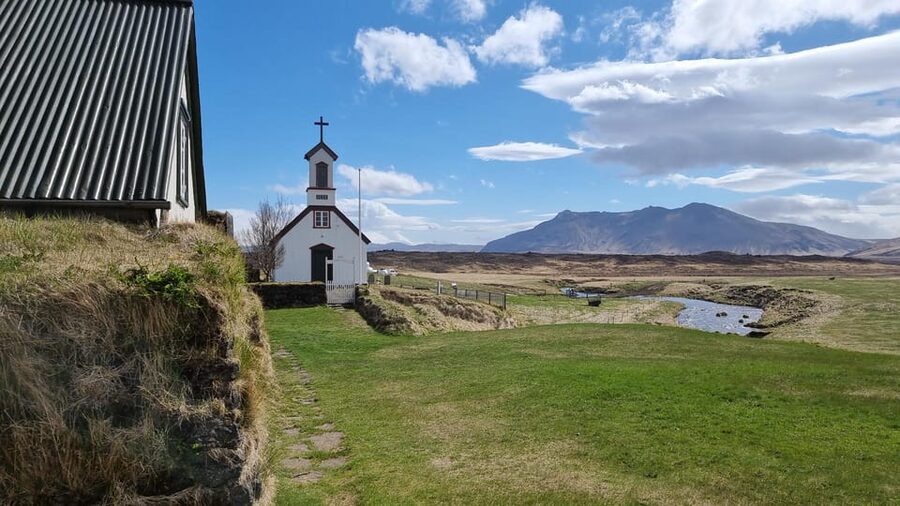
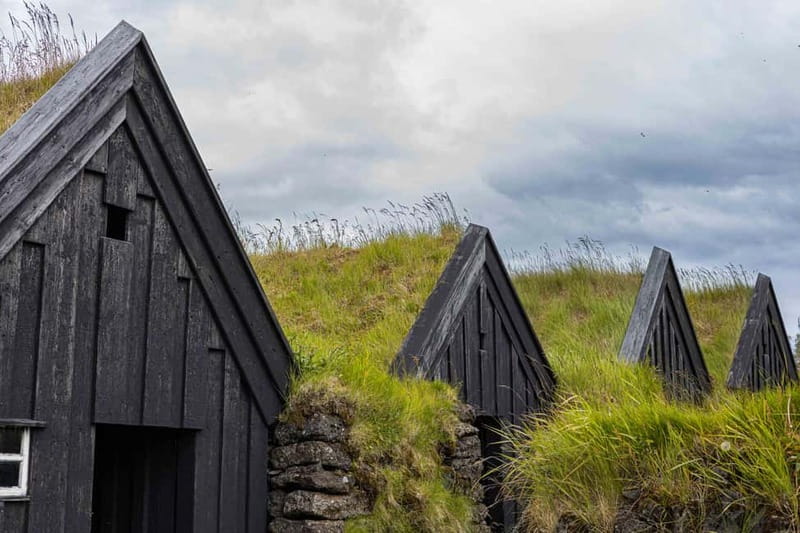
A turf farm is more than a house. At Keldur, several outhouses are preserved, and those supporting buildings help you read the property like an operating unit.
Outhouses are where the daily routine lives. They suggest storage needs, practical work areas, and how people managed the rhythms of farm life. When you only look at a main hut, you miss all that context. When you see the preserved extra buildings, the farm starts to feel like a complete place you could imagine living in.
The guide’s job here is key. Based on what people highlight after the tour, the explanations tend to be friendly and detailed, with real attention paid to how the turf buildings were used. I’d expect you’ll get more than a surface-level description, especially when it comes to how the buildings relate to the farm’s basic functions.
A different sort of day out in Iceland:
- Reykjavik: Jokulsarlon Glacier Lagoon & Diamond Beach Tour
★ 4.7 · 3,675 reviews - South Coast Classic: Full-Day Tour from Reykjavik
★ 4.6 · 2,457 reviews - From Vik: Katla Ice Cave and Super Jeep Tour
★ 4.6 · 2,110 reviews - Skaftafell: Ice Cave Tour and Glacier Hike
★ 4.5 · 1,746 reviews
How the Guided Tour Works at 11:00 or 15:00
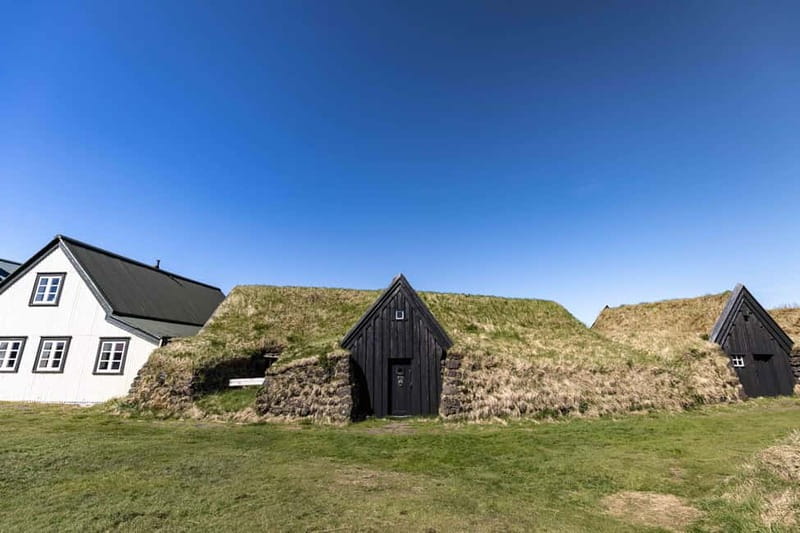
This is a live guided tour experience with an English or Icelandic guide. Tours run daily during the open season, with start times at 11:00 and 15:00. The full visit lasts about 50 minutes.
I like this format because it respects attention. Turf houses can be easy to treat like scenery. A guide keeps the story moving, helps you notice structural details, and ties them to real life instead of vague romance about the past.
On timing, plan to arrive early. You’re recommended to be at Keldur at least 15 minutes before the tour begins. That gives you breathing room to settle in and avoid the last-minute stress of parking and walking to the meeting area.
Also, skip the ticket line. That’s one less stop in your day, and on road trips in Iceland, saving minutes matters.
Getting There by Car: The Practical Part People Forget
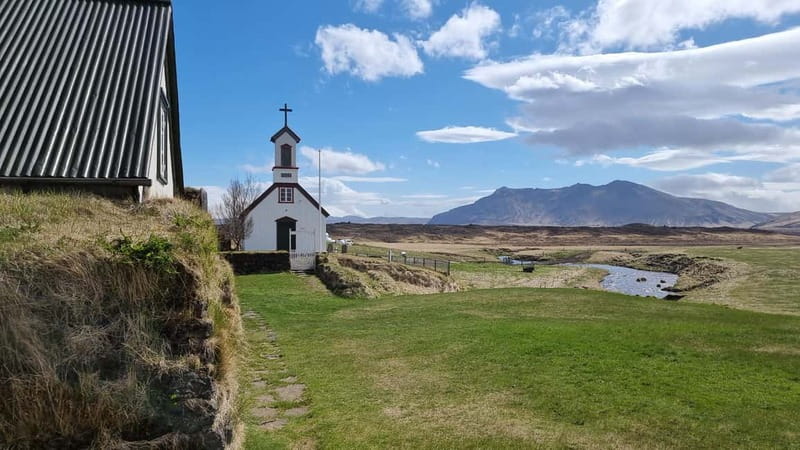
Keldur is not one of those easy walk-ups from a town center. You’ll need a car to get to the Old Turf Farm at Keldur.
Here’s the simple route logic: on Road 1 between Hella and Hvolsvöllur, take Road 264 north of Road 1. After a few minutes, you’ll see the Keldur sign. Follow that to the farm.
Why I think this matters for your planning: South Iceland road time can add up fast, especially if you’re mixing Keldur with other stops. This is the kind of attraction you fit into a driving day, not the kind you add at the last second without checking your schedule.
Price and Value: Is $18 Worth It?
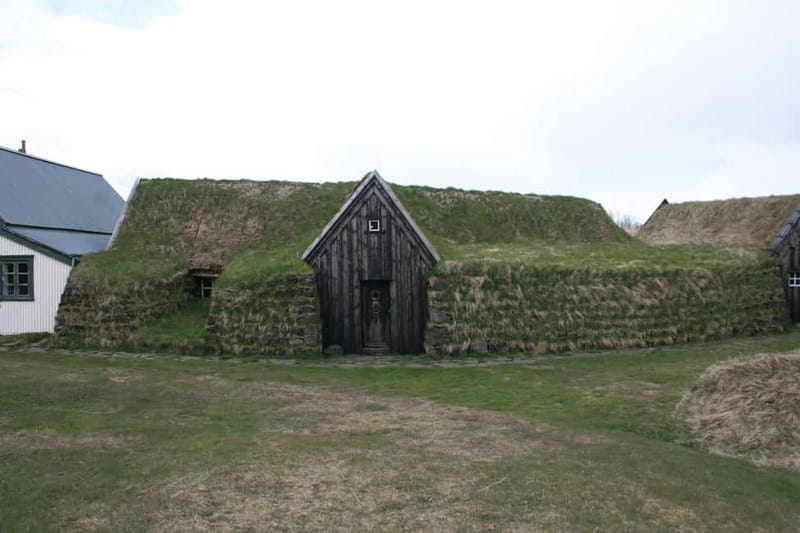
At $18 per person, Keldur is priced like a short, focused cultural stop. The value comes from a few specific ingredients, not just the price tag.
You’re paying for:
- Entry tickets to the turf farm
- A live guided tour included in that price
- The chance to see a preserved farm layout rather than a single display hut
- Time spent on the most distinctive features, including the underground tunnel explanation
If you enjoy architecture, archaeology-style storytelling, or you like understanding how ordinary people lived, $18 usually feels fair for what you get. The visit is short, but it is intentionally short, which can be a plus when you’re spending most days in a car around Iceland.
If you only want a casual look from outside, you might find it too structured. But if you want your questions answered, the guide-led format is the whole point of paying.
Who Should Book Keldur (and Who Might Skip It)
You’ll enjoy this best if you like:
- History that connects to building design and daily life
- Short tours with a clear story arc
- Hands-on understanding of how turf architecture served as real shelter
It can be less satisfying if you:
- Prefer long self-guided museum wandering
- Want to bring bulky luggage and take your time with storage, because luggage or large bags are not allowed
Think of it as an efficient stop. You’ll get a story, you’ll see the buildings, and you’ll understand why turf farms shaped life for generations.
FAQ
FAQ
How long is the Old Turf Farm at Keldur visit?
The tour lasts about 50 minutes.
What time do tours run at Keldur?
Guided tours run at 11:00 and 15:00 every day.
What does the ticket cost?
The price is $18 per person.
Where is Keldur, and how do I get there?
You need a car. On Road 1 between Hella and Hvolsvöllur, take Road 264 north of Road 1, then follow the Keldur sign after a few minutes.
What is included with the tour?
Your ticket includes entry to the old turf farm and a guided tour.
What languages are the guided tours in?
The tour guides are available in English and Icelandic.
Is the site open year-round?
No. It’s open daily from June 1 to August 30.
Are luggage or large bags allowed?
No. Luggage or large bags are not allowed.
Do I need to buy tickets in advance?
You can reserve your spot and pay later, keeping your plans flexible.
Should You Book the Old Turf Farm at Keldur?
Yes, if you want a high-impact cultural stop that’s short, guided, and focused on how people actually lived. The preserved scale of the farm layout, the explanation of the underground tunnel, and the presence of multiple outbuildings give you more than a quick glance at a turf hut.
Skip it only if you’re aiming for a long, self-paced wander or you need to travel with bulky bags. If you can keep your day simple, show up a bit early, and enjoy practical history told through real buildings, Keldur is a strong pick for South Iceland.
Recently added around Vik
- Vik: Guided Sólheimajökull Glacier Hike★ 4.7 · 233 reviews
- Private Day Trip in Landmannalaugar South Region area on a 4×4 truck★ 5.0 · 7 reviews
- Thorsmork Hike Day Tour★ 5.0 · 79 reviews
- Reykjavík: Westman Islands, Volcanoes and Puffins Minibus Tour★ 4.0 · 8 reviews
- Volcano Cinema All the latest eruption in Iceland in 4K quality★ 4.0 · 3 reviews
- Thorsmork by Super Jeep with Optional Hike★ 5.0 · 74 reviews
- Tandem Paragliding Flights from Vik★ 5.0 · 63 reviews
- Vestmannaeyjar, Puffins & Volcanoes Small Group Day Tour★ 5.0 · 9 reviews
Farms, compared.
Dynjandi Waterfall Tour and Icelandic Farm Visit
Read our review →
Dynjandi Waterfall & Iceland Farm Visit Tour
Read our review →
Golden Circle Tales, Tomato Farm & Kerid – Small Group from RVK
Read our review →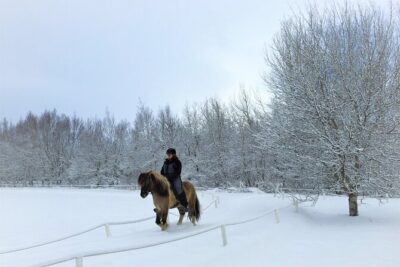
Golden Circle, Fridheimar Farm & Horses Small Group Tour from Reykjavik
Read our review →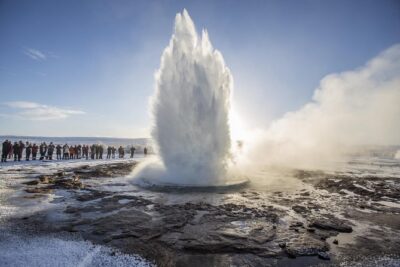
Golden Circle Day Tour in Mini Bus from Reykjavik with Fridheimar Tomato Farm
Read our review →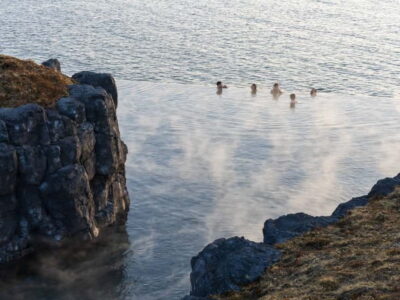
Golden Circle, Farm & Sky Lagoon Small-Group Tour
Read our review →
Golden Circle, Tomato Farm and Kerið Crater Tour
Read our review →
Golden Circle, Farm & Sky Lagoon Admission Small Group Tour
Read our review →Browse the lists this tour appears in