
Review · ICELAND · WHALE WATCHING
Ólafsvík: Whale Watching Tour
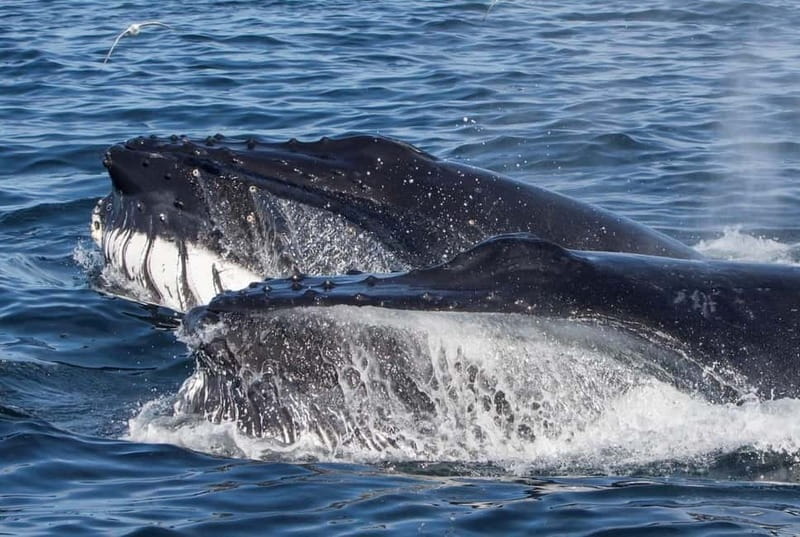
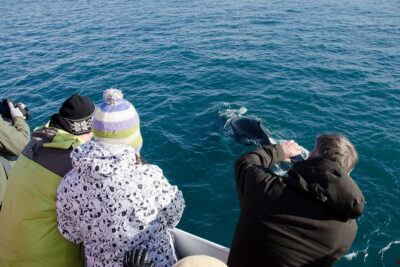
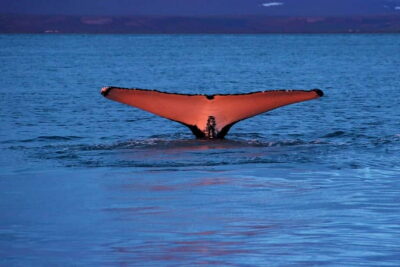
Orcas in Snæfellsnes waters feel unreal. I love the chance to see orcas and sperm whales in the wild, and I also love the way Snæfellsjökull Glacier looks from out on the water. The one real catch is motion, so if you’re prone to seasickness, this may be a bad match.
From Ólafsvík, the boat heads along the Snæfellsnes Peninsula coastline, where the timing matters. You’re not just hoping for whales, you’re matching your month to the species: orcas are more often around in winter, spring, and early summer, while later in summer and into autumn you shift your attention to other whales like minke and humpback, plus dolphins.
This is a 3-hour outing that feels well-sized for first-time Iceland boat riders. At $119 per person, it’s not a throwaway add-on, but it can be great value because you’re paying for a focused wildlife search plus serious scenery, without dragging your day into half a life story.
In This Review
- Key things I’d watch for on this tour
- Ólafsvík to Snæfellsnes: what the 3 hours actually feels like
- The wildlife odds: which whales are likely when
- Orcas (killer whales): strongest odds in colder months
- Sperm whales: a different search game
- Pilot whales and other species later in the year
- A simple way to set your expectations
- How the guide approach improves your chances
- The real star next to the whales: Snæfellsjökull from the water
- Comfort tips that make a difference on a 3-hour boat
- Price and value: is $119 fair for this kind of outing?
- Who this tour fits best, and who should skip it
- Should you book this whale watching trip from Ólafsvík?
- FAQ
- How long is the Ólafsvík whale watching tour?
- How much does the tour cost?
- What species might I see on this tour?
- When are orcas most likely to be seen?
- When are sperm whales most likely to be seen?
- What should I bring?
- Is food or drinks included?
- Does the tour include hotel pickup and drop-off?
- Is the tour suitable for people prone to seasickness?
- What is the cancellation policy?
Key things I’d watch for on this tour
- Orcas, sperm whales, and pilot whales are the main targets, depending on season
- Month matters: orcas are more likely February to early July, other species more common later
- Snæfellsjökull from the sea gives you a glacier-view you do not get from land viewpoints
- The guide’s job is finding active whales, not just stopping and hoping
- Warm clothing is not optional if the air and spray get brisk
Ólafsvík to Snæfellsnes: what the 3 hours actually feels like
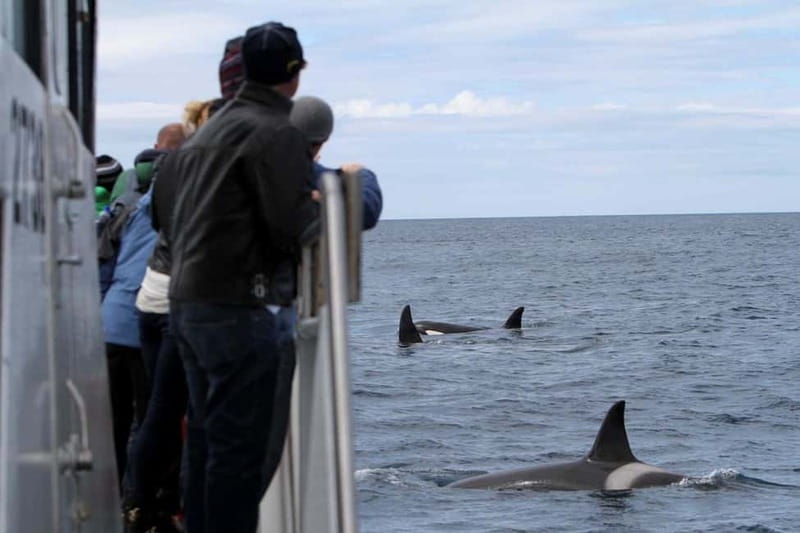
This trip is built around one simple idea: get you out on the water from Ólafsvík and keep your eyes working along the Snæfellsnes Peninsula coastline. After you meet the English-speaking guide and board the boat, you’ll sail out and start scanning. The guide’s role matters here, because open water can look empty until it suddenly isn’t.
The coastline setting is a big part of the thrill. You’re not cruising in some random patch of sea. You’re boating where whales have reasons to show up, and you’re doing it with a landmark glacier overhead in the view. Seeing Snæfellsjökull from the water adds a built-in “wow” factor even if the first sighting takes a little time.
The whole outing stays fairly concentrated. You’re out long enough for things to happen, but not so long that everyone’s freezing or fading fast. That balance is underrated. On a cold Iceland day, the best tour is the one that gives you a real chance to spot wildlife while keeping comfort in mind.
Two practical notes to keep your expectations clean:
- You’re touring for living animals, so the ocean can be unpredictable.
- The odds change a lot with the season, so your month influences your whale wishlist.
More Whale Watching in Snaefellsnes:
- Reykjavík: Whale Watching and Marine Life Cruise
★ 4.6 · 9,838 reviews - Akureyri: 3-Hour Classic Whale Watching Tour by Ship
★ 4.6 · 3,000 reviews - Reykjavík: Whale Watching Cruise on the Amelia Rose Yacht
★ 4.5 · 2,911 reviews
The wildlife odds: which whales are likely when
This is the section I’d plan my Iceland week around. You can have a great trip even if you do not see the exact species you hoped for, but you’ll enjoy it more if you match your timing to the known seasonal patterns.
Orcas (killer whales): strongest odds in colder months
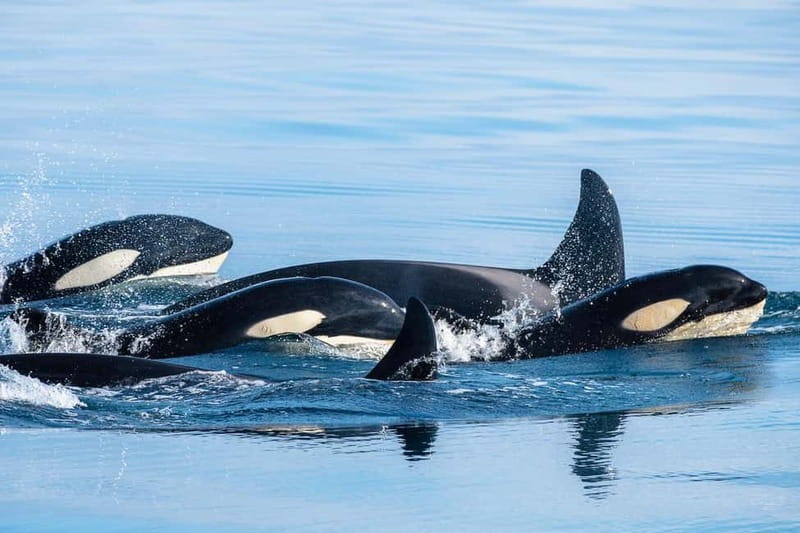
Orcas are more often seen in winter, spring, and early summer. The window to keep in mind is roughly February through early July. There is still a chance later into summer, but as you push deeper into July and August, the chances shift away from orcas being the consistent headline act.
If you’re traveling specifically for orcas, I’d treat early summer as your best compromise if you can be flexible. Late summer can still deliver surprises, but you should expect the “headline species” to change.
Sperm whales: a different search game
Sperm whales tend to show up between about March and June, mostly in deeper water. That phrasing matters because it hints at what you’re watching for. You’re not only scanning the surface, you’re relying on the guide’s ability to track whale activity and the timing of surfacing.
There are also cases where sperm whales show up later in the year. So if you’re traveling outside March to June, don’t assume the sperm whale story is over. Just know it’s not the main expectation.
More of the Snaefellsnes peninsula:
- From Reykjavik: Snæfellsnes Peninsula Full-Day Tour
★ 4.7 · 3,457 reviews - Reykjavik: Snæfellsnes Day Trip with Vatnshellir Lava Cave
★ 4.7 · 1,108 reviews - Snaefellsnes Peninsula Full Day Tour from Reykjavik
★ 4.5 · 1,036 reviews - Reykjavik: Snaefellsnes & Mt. Kirkjufell Guided Minibus Tour
★ 4.8 · 757 reviews
Pilot whales and other species later in the year
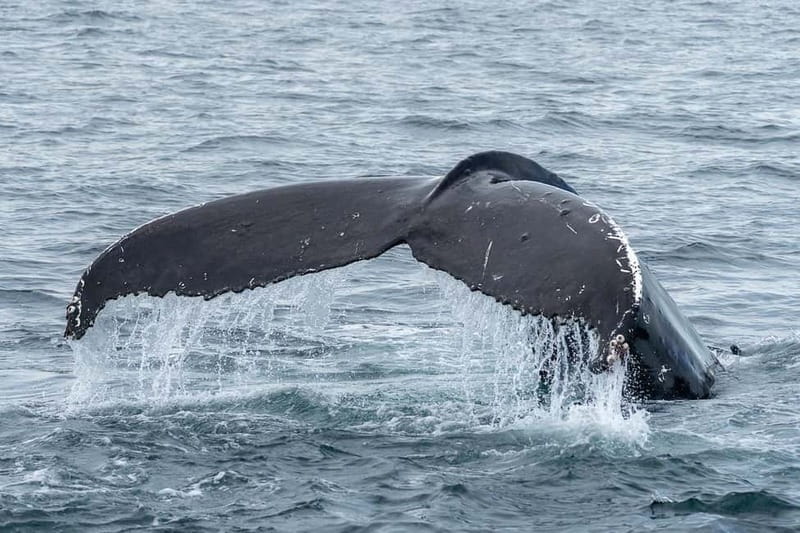
Late summer and into autumn is where your wishlist can expand in a different direction. In that season, you’re mostly looking for minke whales, pilot whales, humpback whales, and white-beaked dolphins.
That also means dolphins can play a major role. Some trips can feel dolphin-heavy, which is still a win. Dolphins are often easier to spot in the moment because they move actively at the surface.
A simple way to set your expectations
Pick one “primary target” based on your dates, then keep one or two backups in your head. That way, if the sea gives you a different cast of characters, you still feel like you got something special.
How the guide approach improves your chances
You can do whale watching with nothing but binoculars and luck. With a good guide, you get more structure.
What I like about this kind of tour approach is the focus on tracking and staying responsive to what whales are doing. One thing that stood out from an experience in this region was how the guide worked to show different groups rather than fixating on just one spot for the entire trip. That matters because whales are not static. They move, and pods can shift location quickly.
Even if you do not see a huge number of whales, this kind of guided searching can increase the “variety per hour.” And variety is part of what makes whale watching addictive. One orca sighting can be incredible, but seeing more than one group, or a mix of whales plus dolphins, turns a good day into a story you talk about later.
Also, because the tour is English-speaking, you’re not stuck interpreting whale behavior like it’s a science documentary. You can follow the running commentary, which makes every sighting feel more meaningful.
The real star next to the whales: Snæfellsjökull from the water
Yes, the whales are the point. But I’ll be honest with you, the scenery is doing heavy lifting on this one.
You’ll be watching for whales along the Snæfellsnes coastline with the Snæfellsjökull Glacier in view. From sea level, a glacier looks different. It feels larger, more imposing, and more dramatic against the moving water. When the boat pitches a bit, the glacier can look like it’s shifting mood with the weather, which is exactly what you want on an Iceland trip.
This matters even on a “slow” wildlife day. If the whales take longer to appear, you still have a scenic frame to keep the ride interesting. And if you do get sightings, that glacier setting makes photos and memories feel less generic.
If you care about video and photos, keep this in mind: motion makes everything harder. You’ll get better results when you stay ready and keep your hands warm, not when you’re fiddling with settings mid-sighting.
Comfort tips that make a difference on a 3-hour boat
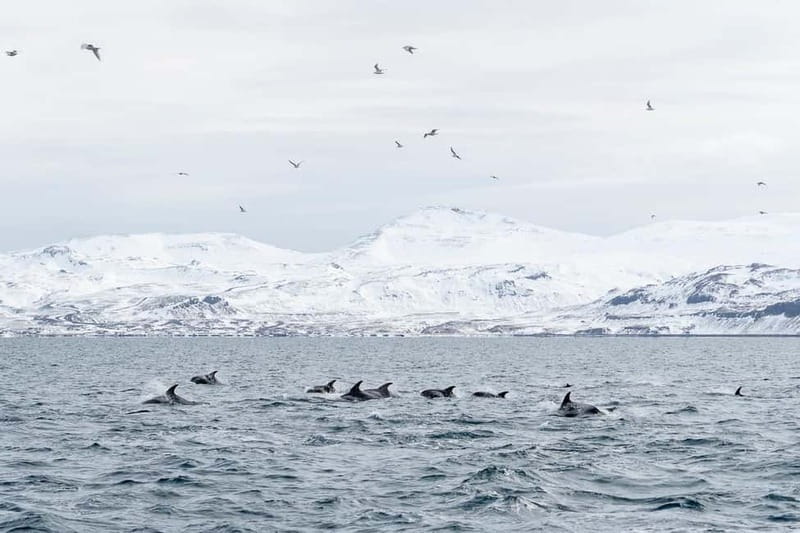
This is a 3-hour whale watching tour, which is long enough for cold to creep in if you underdress. Warm clothing is listed as your main requirement, and I agree. Think layers, not one bulky coat. You want flexibility because you will move from inside the boat to the open air and back.
Here’s how I’d pack for the reality of whale watching:
- Layers you can remove, because you may warm up during active scanning
- Gloves you can actually keep on while handling a camera or phone
- A hat or something to protect your ears (wind has opinions here)
- A waterproof outer layer, especially if spray is common on your day
And if you’re debating motion sensitivity, be practical. The tour is not suitable for people prone to seasickness. That’s not a vague warning. If you’ve struggled on boats before, you’re likely to struggle here too.
One more small but important rule: feeding animals is not allowed. That’s good ethics and also practical. You do not need people interfering with wildlife to have an amazing encounter.
Price and value: is $119 fair for this kind of outing?
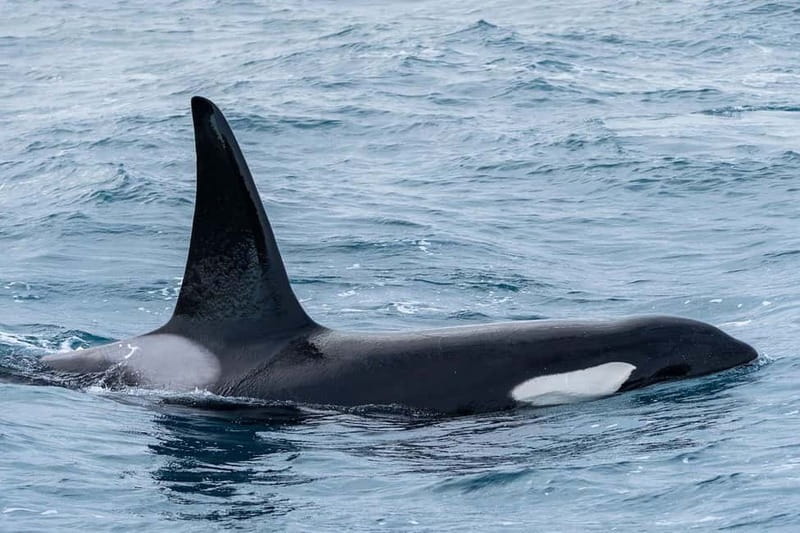
$119 per person for a 3-hour whale watching trip from Ólafsvík is in the “you’re paying for the chance” category. It’s not cheap, but it’s also not overpriced for what you’re doing in Iceland.
You’re getting:
- An English-speaking guide included
- A dedicated boat outing timed for whale spotting along a specific coastline
- The scenic bonus of Snæfellsjökull Glacier views from the water
What you are not getting is also clear: no food and drinks. No hotel pickup and drop-off. So you should plan a simple routine before you board, then keep your expenses controlled.
My value take:
- If you’re aiming for orcas or sperm whales, the price can feel justified because those are hard-won sightings.
- If you’re going for general wildlife and scenery, you can still have a great time, but the value is tied to your month and the day’s conditions.
If you want to maximize your “value per hour,” pick the right season, dress for wind and spray, and set your expectations so you’re thrilled by whatever the sea offers.
Who this tour fits best, and who should skip it
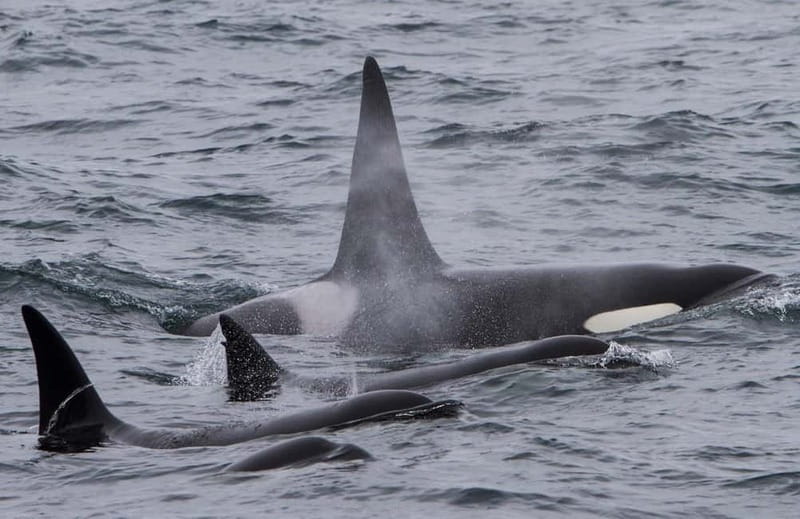
This is a solid fit if you want a structured whale watching experience with an English guide and a clear geographic focus along the Snæfellsnes Peninsula coastline. It’s also a great match for people who want the glacier scenery without having to build a long day of driving first.
It’s not a great fit if:
- You’re prone to seasickness. The tour specifically says it is not suitable.
- You want food included on board. You’ll need to plan your meals separately.
- You were hoping for hotel pickup. This one does not include it, so you’ll need to get yourself to the departure point.
If you’re traveling with kids, check your family situation carefully based on cold tolerance and motion sensitivity. The content is mostly outdoor boat time, so the comfort factor matters as much as the whale sightings.
Should you book this whale watching trip from Ólafsvík?
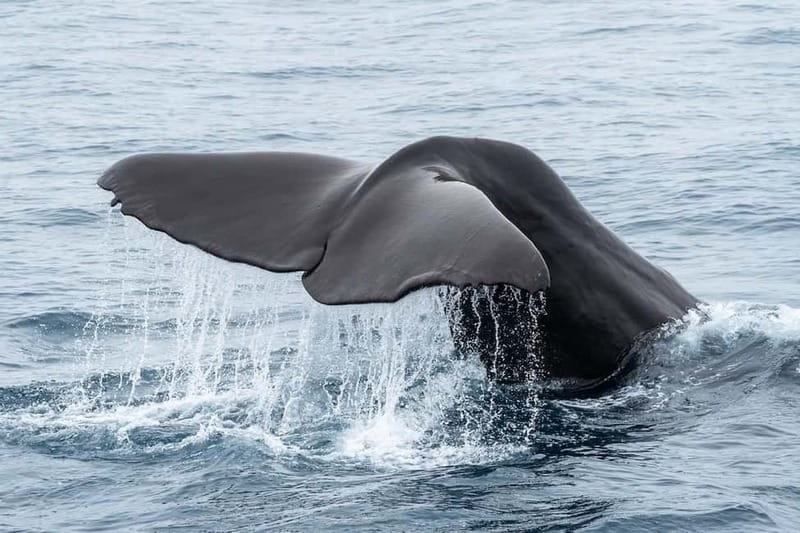
If you’re planning your Iceland itinerary around wildlife, I think this is a worthwhile booking, especially if your travel dates line up with the species you care most about. The tour’s best advantage is that it gives you a focused shot at orcas, sperm whales, and pilot whales with the added reward of Snæfellsjökull Glacier views.
Here’s my simple decision rule:
- Book if you can handle cold, and you’re traveling in the months that match your whale goals.
- Pause and reconsider if you get seasick easily, because no checklist in the world will fix that on open water.
One last practical thought: even when you do everything right, whales are wild. What you can control is how prepared you are. If you show up dressed warm and ready to scan the water, you give yourself the best shot at the kind of unforgettable sightings people remember for years.
FAQ
How long is the Ólafsvík whale watching tour?
It runs for 3 hours.
How much does the tour cost?
The price listed is $119 per person.
What species might I see on this tour?
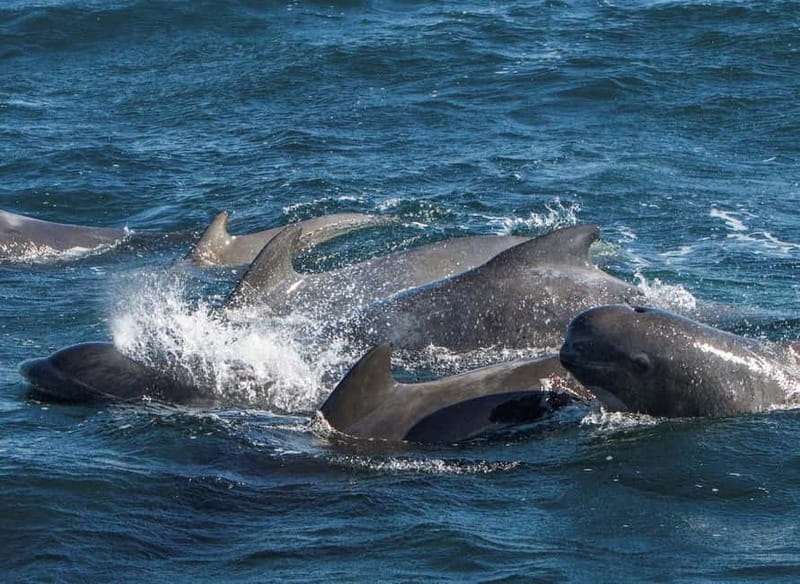
You’re looking for orcas, sperm whales, and pilot whales, depending on the season. You may also see minke whales, humpback whales, and dolphins.
When are orcas most likely to be seen?
Orcas are more often seen in winter, spring, and early summer, roughly February to early July, with some chance later into summer.
When are sperm whales most likely to be seen?
Sperm whales are typically seen between about March and June, mostly in deeper water, with occasional sightings later.
What should I bring?
Bring warm clothing.
Is food or drinks included?
No. Food and drinks are not included.
Does the tour include hotel pickup and drop-off?
No. Hotel pickup and drop-off are not included.
Is the tour suitable for people prone to seasickness?
No, it is not suitable for people prone to seasickness.
What is the cancellation policy?
You can cancel up to 24 hours in advance for a full refund.
Recently added around Snaefellsnes
- Classic Kayaking Adventure by Mt. Kirkjufell★ 5.0 · 74 reviews
- Snaefellsnes Peninsula Tour from Grundarfjordur Port★ 4.0 · 101 reviews
- Midnight Sun Kayaking Adventure by Mt. Kirkjufell★ 5.0 · 52 reviews
- Puffin and Wildlife Boat Tour★ 5.0 · 4 reviews
- Vatnshellir Cave Tour★ 5.0 · 108 reviews
- Private Snæfellsnes Peninsula and local Lunch★ 5.0 · 34 reviews
- Private Snæfellsnes National Park★ 5.0 · 3 reviews
- Snæfellsnes Peninsula | Private tour | PRO Photos included★ 5.0 · 4 reviews
Whale Watching, compared.

Whale Watching Cruise on the Amelia Rose Yacht
Read our review →
The Original Classic Whale Watching from Reykjavik
Read our review →
Whale Watching – Family Run with Indoor Seats
Read our review →Browse the lists this tour appears in